Consequences of the reform on the judicial system
Changes brought about by the prosecutor’s reform have significantly impacted the judicial system, directly affecting how cases are managed and the efficiency of the involved institutions. One of the key modifications was the adoption of new selection and evaluation criteria for prosecutors, aimed at ensuring greater transparency and meritocracy in the appointment and promotion process. These measures were implemented to diminish political influence and to strengthen judicial independence, a critical aspect for maintaining public trust in the justice system.
Moreover, the reform enforced stricter standards regarding the responsibility and professional ethics of prosecutors, with the goal of enhancing the quality of justice. This was achieved through the introduction of control mechanisms and periodic evaluations to ensure that prosecutors fulfill their duties with integrity and professionalism. Simultaneously, efforts were made to improve working conditions and resources available to prosecutors as part of a broader strategy to modernize the judicial system.
At the same time, the reform generated several challenges, including resistance from certain segments of the system that perceived the changes as a threat to the existing status quo. Nonetheless, the implementation of new measures paved the way for a series of long-term improvements, including better coordination among the various entities of the judicial system and increased efficiency in case resolution. In this context, the reform is expected to contribute to strengthening the rule of law and enhancing public perception of justice as a whole.
Reactions from civil society
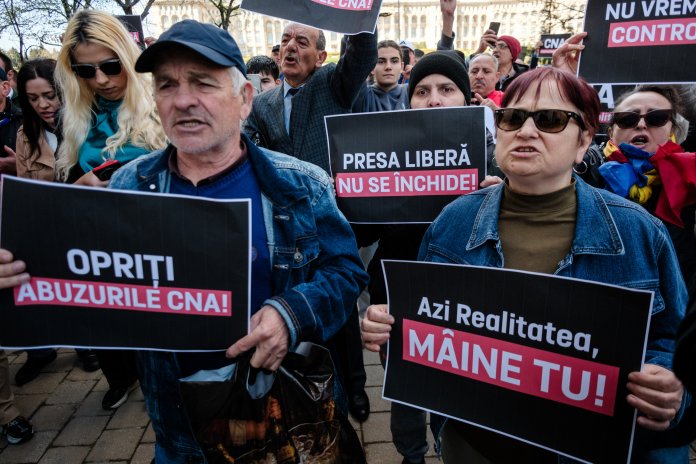
Reactions from civil society regarding the prosecutor’s reform have been varied and reflect a wide range of perspectives and concerns. Some non-governmental organizations and advocacy groups welcomed the initiative, viewing the new measures as an important step towards ensuring independent and impartial justice. These groups emphasized the importance of transparency in the prosecutor selection process and appreciated efforts to reduce political influence, seeing these as a way to restore public confidence in the judicial system.
However, there were also criticisms regarding the manner in which the reform was implemented, with some voices from civil society expressing concern that certain essential aspects were not adequately addressed. Some activists warned of the risk that the reform process could be derailed by political interests and called for more rigorous monitoring to ensure that the initial objectives are met. Additionally, there were calls for greater public consultation and for the direct involvement of civil society in the evaluation and adjustment process of the proposed reforms.
Furthermore, certain segments of civil society expressed concerns about the possible repercussions of the reform on human rights and civil liberties, highlighting the need to maintain a balance between the efficiency of the judicial system and the protection of individual rights. In this regard, recommendations were made to increase resources allocated for the training and education of prosecutors, so that they are better prepared to face the complex challenges of modern justice.
Involvement of political parties in decision-making
The involvement of political parties in the decision-making process regarding the prosecutor’s reform has been a subject of intense debate, highlighting existing tensions between the need for judicial independence and political influence. Political parties have played a significant role in shaping the direction of the reform, each having its own interests and priorities. Some parties supported the proposed measures, seeing them as an opportunity to improve the image of the judicial system and to gain the trust of the electorate.
However, there were also parties that expressed skepticism regarding the proposed reform, citing concerns about the potential politicization of the prosecutor selection process. These parties underscored the risk that the reforms could be used as a political instrument rather than as a means to strengthen the rule of law. In this context, calls were made for ensuring total transparency and fair involvement of all stakeholders in the decision-making process.
Political discussions have often been marked by conflicts and negotiations, with each party trying to impose its viewpoint and gain influence within the reform. In some cases, these debates have led to legislative deadlocks and delays in the implementation of planned measures. Nevertheless, public pressure and the demands of civil society have forced parties to reach compromises and find solutions that address both reform needs and political concerns.
In conclusion, the involvement of political parties in the decision regarding the prosecutor’s reform has been a determining factor in shaping it, reflecting the complexity of interactions between politics and justice. Although the process has been challenging and controversial, it has highlighted the importance
Future perspectives for justice
of effective cooperation between all involved parties to ensure the reform’s success. Future perspectives for justice largely depend on the system’s ability to adapt to new requirements and to continue on the path of modernization and strengthening its independence. The reform is expected to serve as a foundation for future initiatives aimed at enhancing the efficiency and transparency of the judicial system.
An essential aspect for the future of justice will be maintaining an open and constructive dialogue between judicial institutions, civil society, and political actors, to ensure that reforms remain relevant and effective. Additionally, it will be crucial to invest in ongoing professional training for prosecutors and judges to ensure that they are well-prepared to handle the complex challenges of a changing society.
In the long run, the success of the reform will depend on the ability to establish a monitoring and evaluation system that allows for the adjustment of adopted measures according to developments in the legal and social context. This will require a flexible and proactive approach, enabling the identification and correction of potential deficiencies before they become systemic issues.
Finally, the future of justice will also be influenced by how society as a whole perceives and supports the reforms. Increasing public awareness regarding the importance of an independent and efficient judicial system will be essential for strengthening trust in justice and ensuring broad support for reform initiatives. In this context, legal education and public awareness campaigns will play a crucial role in fostering a culture of legality and respect for the rule of law.
Sursa articol / foto: https://news.google.com/home?hl=ro&gl=RO&ceid=RO%3Aro